Youth, Climate Justice and the SDGs
Climate justice, accountability, frontline realities, and youth agency.

Youth education and action for the SDGs.
A fully online, eight-week programme gathering young leaders from across the world to learn, connect, and design real solutions for a sustainable future.
The Solar Cohort 2026 is the flagship programme of the Rolfes SDG Academy. Over eight weeks, 140 young leaders aged 18 to 35 from Africa, Asia and Europe come together online to explore sustainability, climate justice and the UN Sustainable Development Goals with world-class facilitators.
This is not a passive course. Scholars work in multinational groups to design real community projects grounded in real places and real people. They leave with a certificate, an alumni network, a published contribution, and a project they can carry back into their own communities.
Reconnecting humanity with nature through transformative education.
Eight connected weeks moving from foundations to applied community action.
Participants learn through weekly expert sessions, interactive workshops, guided reflection, peer exchange, and practical deliverables. The emphasis is not only on knowing more, but on becoming more capable of acting with clarity, evidence, and community accountability.
Climate justice, accountability, frontline realities, and youth agency.
Rethinking production, consumption, waste, and shared responsibility.
Exploring how power, access, education, and gender shape climate outcomes.
Land, food security, climate resilience, and ecological health.
Designing practical, community-rooted responses to local climate challenges.
Energy access, justice, governance, and the politics of transition.
Turning evidence into policy asks, campaigns, coalitions, and institutional engagement.
Presenting final projects, receiving feedback, and joining the RSA alumni network.
Certificate eligibility updates automatically in the scholar portal based on lecture attendance, quiz completion, and the compulsory final week.
The cohort particularly values underrepresented voices, first-generation learners, and participants working in communities already facing climate disruption.
Learning from those who live it across sustainability, climate justice, policy, and community action.
A truly global community of activists, students, founders, and community leaders.
From Kampala to Frankfurt, from Lagos to Jakarta, our 140 scholars come from 12 countries across three continents. They are united by one commitment: to shape a more sustainable and just world.
Browse the scholars four at a time.
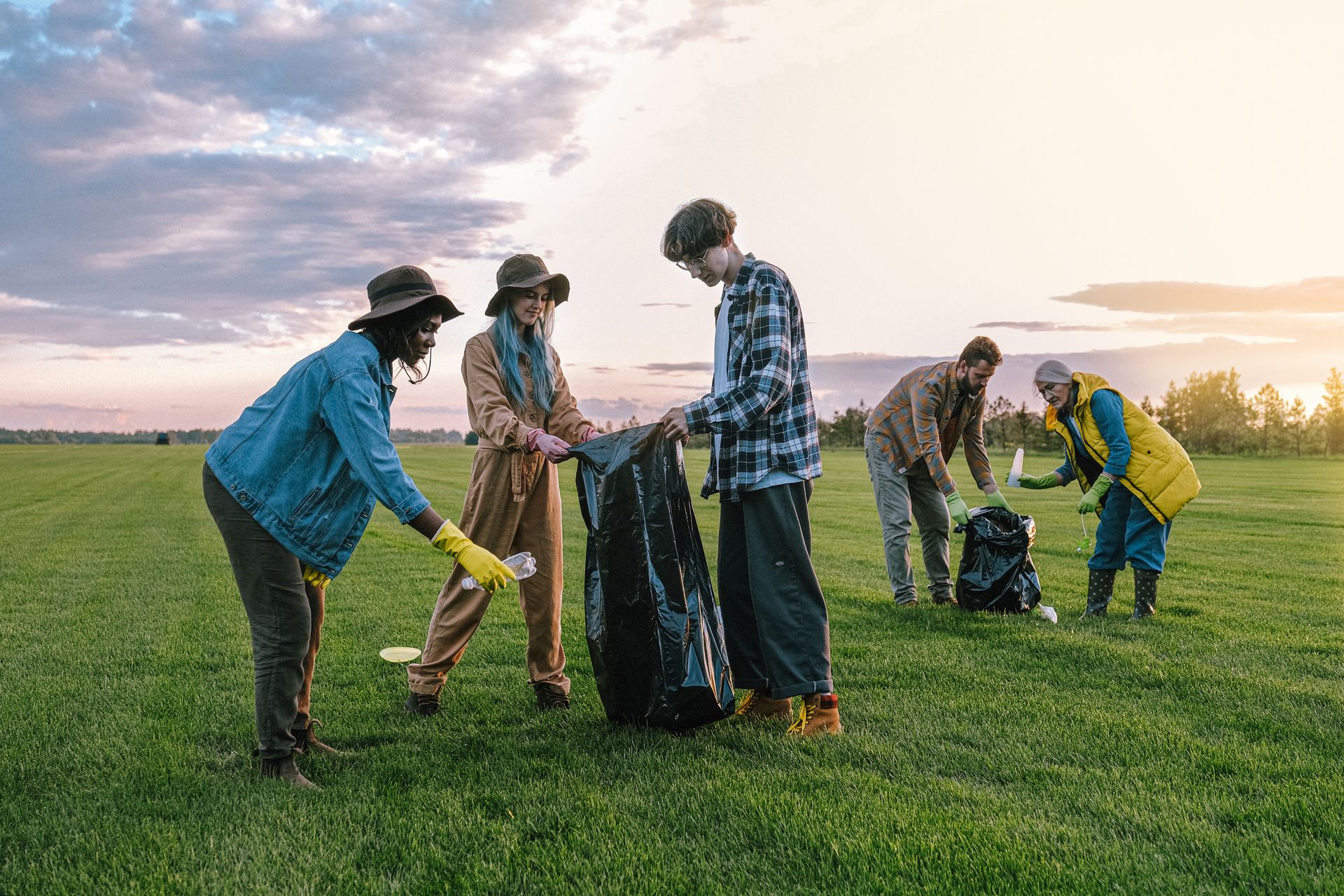
The Solar Cohort is built around applied learning. Scholars do not only attend lectures. They work in groups, identify real community needs, and shape project ideas that can be carried beyond the programme.
Awarded on completion of the full programme and the group project.
Attendance, participation, the Week 8 showcase, and project work all matter.
Graduates move into a lasting community of changemakers across continents.
The cohort is a beginning, not an ending.
Each group designs and presents a project rooted in a real place and real people.
Selected work can be featured publicly on the RSA website and in cohort storytelling.
FAQ
Quick answers for applicants considering the Solar Cohort and wider RSA learning pathways.